Understanding the Concept of Age Estimation
The fascination with age perception has permeated cultures for centuries, leading to a growing interest in tools and technologies that help individuals explore a particularly engaging question: how old do i look? With advancements in artificial intelligence (AI), we have witnessed a remarkable evolution in age estimation tools, which promise to provide accurate assessments of our perceived age based on facial features. This article delves into the science behind age estimation, its implications for beauty standards, and the revolutionary role technology plays in answering the age-old question of how we appear to others.
What is the “How Old Do I Look?” Phenomenon?
The "how old do I look?" phenomenon taps into human psychology, where individuals seek validation about their physical appearance and its correlation to age. This query often generates a complex mix of emotions, from curiosity to insecurity. Driven by societal norms and media representation, many are compelled to know if they conform to cultural ideals of youthfulness. The accessibility of age estimation tools has made this query a viral topic, with individuals keen to explore how algorithms interpret their unique features.
The Role of AI in Age Estimation
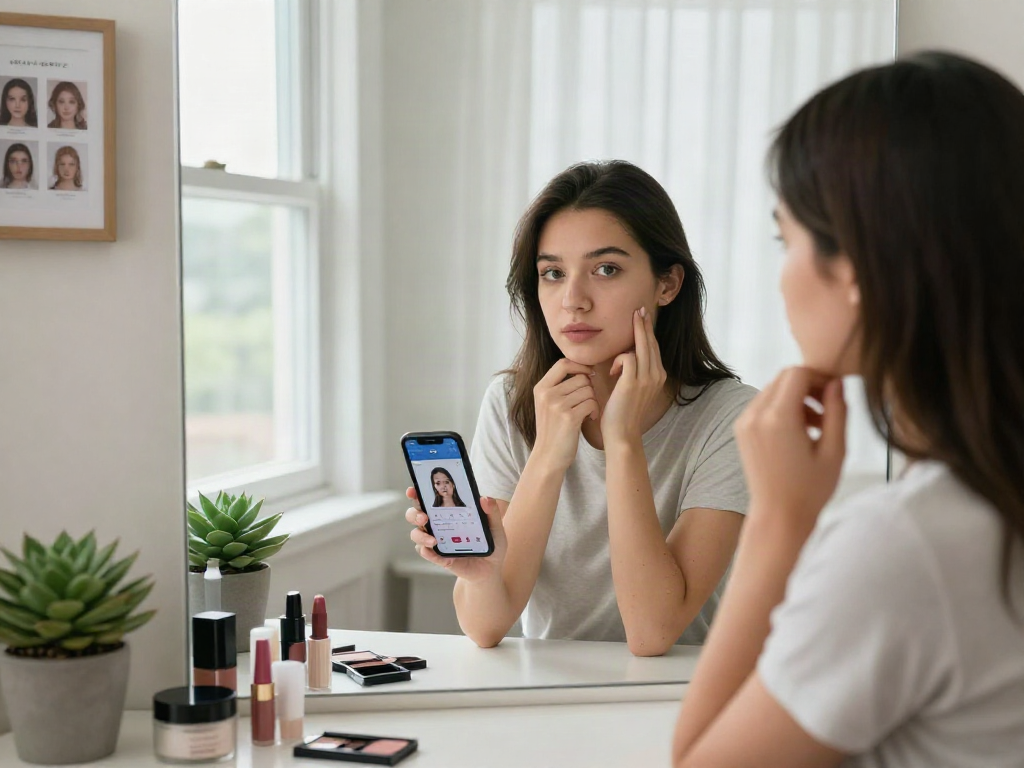
Artificial intelligence has become a cornerstone in the development of age estimation applications. By analyzing facial features—such as wrinkles, skin texture, and overall facial structure—AI algorithms can predict a biological age that may differ from a person's chronological age. These tools leverage vast datasets comprised of facial images across various demographics, improving their predictive capabilities. Consequently, individuals can receive instant feedback on their perceived age, an experience that is both engaging and enlightening.
Benefits of Knowing Your Facial Age
Understanding how old one looks can have several benefits. Firstly, it can enhance self-awareness, allowing individuals to understand how they are perceived by others. This self-knowledge can help inform decisions regarding skincare, makeup, and even fashion choices, aligning one's appearance with desired self-image. Additionally, knowing your "facial age" may encourage healthier lifestyle choices, as individuals may strive to maintain a youthful appearance through better nutrition, exercise, and skincare routines.
How Does Age Perception Affect Beauty Standards?
Age perception significantly influences beauty standards across different cultures. The societal valuation of youth creates pressure on individuals to maintain a youthful appearance, often leading to a pursuit of anti-aging solutions. This section explores the implications of facial age on self-esteem and cultural beauty ideals.
The Impact of Facial Age on Self-Confidence
Many individuals find that their perception of their facial age can deeply affect their self-confidence. For instance, those who are perceived as looking older may face social biases, impacting their professional and personal lives. The desire to look younger can lead to an increase in the use of beauty products and cosmetic procedures. By acknowledging their perceived age, many individuals can work towards enhancing their self-esteem and embracing their appearance.
Cultural Variations in Age Perception
Different cultures have distinct attitudes towards aging and beauty. In some societies, being older is associated with wisdom and experience, while in others, youth is prioritized as the epitome of beauty. For instance, Western cultures often glorify youthfulness through media and advertising, while various Eastern cultures may celebrate the aging process. Understanding these cultural nuances helps contextualize individual perceptions of age and beauty.
Shifting Beauty Trends and Aging
The beauty industry is witnessing significant shifts in how aging is portrayed and accepted. Campaigns that celebrate diversity in age, such as inclusive marketing, challenge traditional beauty standards. Brands are increasingly showcasing models of varying ages, thus promoting the idea that beauty transcends age. This shift is empowering individuals to embrace aging rather than hide it, allowing them to feel confident at every stage of life.
Technology Behind Age Estimation Tools
As age estimation tools grow in popularity, understanding the technology behind them is crucial for users. In this section, we will dissect how AI analyzes facial features, evaluate the accuracy of these tools, and address important ethical considerations regarding data privacy.
How AI Algorithms Analyze Facial Features
AI algorithms for age estimation employ advanced techniques in machine learning to analyze facial features. These algorithms are trained on datasets containing millions of images, allowing them to identify patterns associated with visible aging signs such as wrinkles, pigmentation changes, and facial contours. By quantifying these features, AI can output a biological age that reflects the aging process more accurately than mere chronological age.
Accuracy and Limitations of Age Prediction Software
While age estimators have made remarkable strides in accuracy, they are not infallible. Their predictions can be influenced by various factors, including skincare routines, lighting conditions in photos, and even genetic predispositions to aging. Users should approach results with a critical mindset, remembering that these tools provide estimates rather than definitive answers. Continuous improvements and refinements in algorithm training are essential for enhancing precision.
Data Privacy and Ethical Considerations in AI
As with any digital tool, data privacy and ethical considerations play a significant role in the use of age estimation applications. Users should be informed about how their data is collected, stored, and utilized. Ethical AI practices dictate that users' privacy should be paramount, ensuring that facial images are handled responsibly and securely. Individuals must be cautious and conduct due diligence before using any tool that requires personal images.
Practical Applications of Age Estimation
Age estimation technology has various practical applications that extend beyond mere curiosity. This section will explore how these tools can inform skincare choices, influence social media presence, and provide real-life examples of their impact.
Using Age Defining Apps for Skincare Recommendations
With the right insights into facial age, users can leverage age estimation tools to tailor their skincare regimens. Apps that provide analysis can suggest targeted treatments, such as anti-aging serums or moisturizing routines, based on the unique needs of one's skin. By aligning product choices with the knowledge of their perceived age, individuals can better manage their skin’s health and appearance over time.
Age Estimation in Social Media and Influencer Culture
In an age dominated by social media, the appearance of youth and beauty is essential for influencers and content creators. Age estimation tools offer a new avenue for creating engaging content and establishing authenticity. Social media users can utilize these tools to generate discussions about aging and beauty, fostering communities centered around acceptance and positivity.
Real-World Examples of Age Estimation Success Stories
There are numerous success stories that illustrate the practical benefits of age estimation technologies. For instance, individuals have reported increased confidence and improved self-care routines after discovering their facial age. These personal narratives highlight the profound impact that understanding one's perceived age can have on overall well-being and self-perception.
The Future of Age Estimation Technologies in Beauty
As technology continues to evolve, the future of age estimation holds exciting possibilities for the beauty industry. This section outlines predictions for AI-based age analysis, potential innovations, and how the industry may adapt.
Predictions for AI-Based Age Analysis in 2026
By 2026, we can expect AI-based age analysis tools to become even more advanced, employing augmented reality and real-time analysis. These advancements may allow for dynamic assessments based on environmental factors, offering users a more comprehensive understanding of how different settings affect their perceived age.
Potential Innovations in Skincare and Beauty Products
As understanding of facial aging improves, beauty brands may innovate products specifically formulated to cater to the different needs of age groups identified by AI tools. This could lead to the creation of customized skincare regimens based on individual biological ages rather than just general age categories.
How the Beauty Industry is Evolving with AI Insights
The integration of AI insights into product development and marketing will reshape the beauty landscape. Brands will increasingly utilize data from age estimators to identify trends and tailor their offerings to suit consumer desires. This shift could foster a more personalized shopping experience, helping consumers find the right products for their unique skin profiles.
What are the most popular age estimation tools?
Popular age estimation tools include FaceAge.ai, Fotor's Age Guesser, and many mobile apps available on platforms like Google Play. These applications utilize a blend of AI technology and user-friendly interfaces to make age estimation accessible to everyone.
How accurate are AI age estimators?
The accuracy of AI age estimators varies based on the underlying algorithms and the quality of training data. Many tools claim to offer predictions within a few years of actual age, but results can fluctuate based on individual differences, lighting, and image quality.
Can age estimators be used for other purposes?
Yes, age estimation tools can also be valuable in fields such as psychology and marketing, offering insights into consumer behavior based on perceived age. Such applications can enhance targeted marketing strategies and improve customer engagement.
What should I consider when using these apps?
Individuals should approach age estimation apps with an understanding of their limitations and a critical eye. It's essential to consider factors like data privacy, the accuracy of predictions, and the potential impact on self-esteem.
How does societal perception of age influence beauty?
Societal perceptions shape the narrative around age and beauty, often leading to the stigmatization of aging. A shift towards acceptance and appreciation of beauty at all ages can enhance individual self-worth and promote healthier perspectives on aging.