Understanding the Attractiveness Test
In a world where first impressions capture attention within seconds, the concept of attractiveness has sparked interest across various fields. The attractiveness test serves as a tool for individuals seeking to gain insights into their physical appeal based on scientific parameters. These assessments, often powered by advanced AI technologies, analyze factors such as facial symmetry, proportions, and other attributes that contribute to perceived beauty. This article delves into the intricacies of attractiveness tests, providing a comprehensive guide on what they entail, the underlying science, and practical tips for users aiming to improve their scores.
What is an Attractiveness Test?
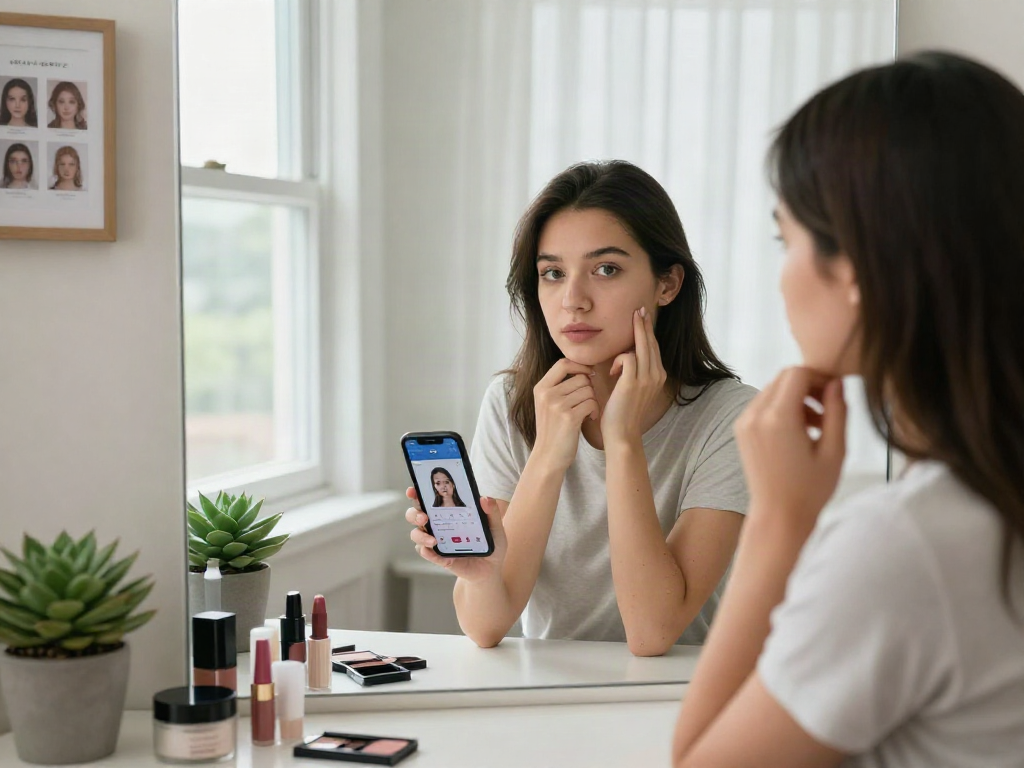
An attractiveness test typically involves uploading a photograph to a platform that uses algorithms to evaluate various physical traits. The goal is to provide users with a score reflecting their facial attractiveness based on structured criteria. Many tests assess dimensions like symmetry, which is often considered a hallmark of beauty, alongside other factors such as the golden ratio and facial feature alignment.
The Science Behind Attractiveness Ratings
The foundational theory behind attractiveness tests is rooted in psychological and biological studies. Research indicates that humans are programmed to favor symmetry in physical appearances, facilitating instantaneous assessments of attractiveness. For instance, studies suggest that symmetrical faces are generally perceived as more attractive because they are often associated with health and genetic fitness. Furthermore, various factors like cultural influences and media representation shape communal perceptions of beauty, causing shifts over time.
Common Myths About Beauty Tests
Despite their increasing popularity, several myths persist regarding attractiveness tests. One common misconception is that these tests provide absolute measures of beauty. In reality, attractiveness is subjective and can vary widely among different cultures and personal preferences. Another myth is that only physical attributes are assessed; however, many modern tests consider personality traits and emotional responses, recognizing the multidimensional nature of attractiveness.
Preparing for Your Attractiveness Test
To obtain the most accurate results from an attractiveness test, careful preparation is essential. The photograph you choose to upload can significantly impact your score. Below are crucial tips on how to select the right photo and enhance your overall appearance.
How to Choose the Right Photo
Selecting the right image is paramount to receiving a valid attractiveness score. Aim for a recent, high-quality photo that highlights your face clearly. Ideally, the image should focus on your facial features without excessive distractions, such as bold makeup or accessories. Natural lighting often yields better results, allowing the algorithms to assess your features more accurately.
Understanding Lighting and Angles
Lighting and angles play a crucial role in how your facial features are perceived. Front-facing shots tend to give the best results, as they allow for a direct assessment of symmetry and proportion. Soft, diffused lighting can minimize harsh shadows and highlight your best features, whereas harsh lighting from below can create unflattering contrasts. Experimenting with different angles can help identify the most flattering perspective for your photo.
Enhancing Your Appearance Naturally
While attractiveness tests primarily evaluate physical features, natural enhancements can contribute positively to your appearance. Maintaining a healthy skincare routine can improve your skin's texture and glow, while a well-groomed hairstyle will also enhance your overall look. It's important to feel comfortable and confident, as this radiates through the photo and often contributes to perceived attractiveness.
Interpreting Your Attractiveness Test Results
Understanding how your attractiveness score is calculated can empower you to make informed decisions regarding your appearance. This section covers the calculations involved and what your score may reveal about you.
How Scores are Calculated
Most attractiveness tests employ algorithms that analyze facial features through key metrics like symmetry, proportion, and alignment. These aspects are often mapped using landmark detection technology that identifies critical points on the face. Each metric is assigned a weight based on its importance in defining attractiveness, culminating in an overall score that mirrors the consensus of beauty standards.
What Your Score Says About You
Your overall attractiveness score can serve as a starting point for understanding how your features are perceived by others. A higher score typically indicates favorable features in line with societal beauty norms, while a lower score might suggest areas for improvement. However, it’s vital to recognize that every individual possesses unique qualities that contribute to their charm and personality beyond mere numbers.
Addressing Low Scores Constructively
Receiving a low attractiveness score can be disheartening, but it’s essential to approach the results constructively. Instead of viewing the score as a definitive judgment, consider it a feedback mechanism that highlights areas for personal growth. Engaging in self-improvement practices, whether through grooming, skincare, or enhancing your self-confidence, can lead to significant changes in how you view yourself and how others perceive you.
Improving Your Attractiveness Score
Improving your attractiveness score can often be achieved through conscious lifestyle and grooming choices. This section offers practical tips to boost your score significantly.
Effective Skincare and Makeup Tips
Healthy skin is often perceived as a primary indicator of beauty. Prioritizing a skincare routine that includes cleansing, moisturizing, and sun protection can yield noticeable results. Additionally, using makeup effectively can enhance your features; for example, subtle contouring can accentuate bone structure. Choosing colors that complement your natural skin tone and eye color can also elevate your appearance.
Personal Grooming Best Practices
Personal grooming plays a vital role in enhancing attractiveness. Regular haircuts, eyebrow shaping, and maintaining facial hair can make a dramatic difference in your overall presentation. Consistent grooming not only enhances your look but also fosters a sense of self-care and confidence.
Confidence: The Key to Attractiveness
Ultimately, confidence is one of the most attractive traits an individual can possess. Regardless of physical appearance, how you carry yourself can profoundly impact the way you are perceived. Cultivating self-esteem through positive affirmations, engaging in activities you enjoy, and surrounding yourself with supportive individuals can enhance your confidence levels, positively influencing your attractiveness.
Future Trends in Attractiveness Testing
As technology continues to evolve, the landscape of attractiveness testing is rapidly changing. This section explores anticipated advancements and trends in the domain.
AI Innovations in Beauty Assessment
Artificial intelligence is at the forefront of new developments in attractiveness assessments. With advancements in machine learning, future tests are expected to yield ever-more accurate evaluations based on refined algorithms that analyze a broader array of personality traits alongside physical features. This integration will likely lead to a more holistic understanding of beauty, focusing on emotional and social attributes that contribute to overall attractiveness.
The Role of Social Media in Attractiveness Perceptions
Social media has dramatically influenced societal beauty standards, often creating unrealistic expectations. As platforms showcase diverse body types and aesthetic ideals, beauty tests may need to adapt to accommodate evolving perceptions of attractiveness. Future tests could incorporate feedback from social media trends, ensuring they reflect a more inclusive definition of beauty.
Emerging Beauty Standards for 2026
Looking ahead to 2026, beauty standards are anticipated to embrace a broader range of characteristics. There's a growing movement advocating for authenticity and uniqueness, pushing back against conventional norms. Attractiveness tests may evolve to include alternate metrics that appreciate individual differences instead of strictly adhering to traditional ideals.
What Factors Influence Attractiveness?
Attractiveness is influenced by a blend of biological, psychological, and social factors. Genetics play a role in facial features, while individual experiences shape personal perceptions. Cultural background and environmental influences also contribute to what is deemed attractive within different communities.
Can Attractiveness Change Over Time?
Yes, perceptions of attractiveness can evolve. Factors such as aging, lifestyle changes, and cultural shifts can all influence how attractiveness is viewed over time. Embracing these changes and focusing on self-improvement fosters a more positive outlook on personal beauty.
Is Attractiveness Test Reliable for Self-Evaluation?
While attractiveness tests provide interesting insights, they should not be regarded as definitive measures of beauty. The reliability of these tests can vary widely, depending on the algorithms used and the subjective nature of attractiveness itself. Using these tests as a supplementary tool rather than a primary source of validation is recommended.
How to Use Test Results for Personal Growth?
Interpreting your attractiveness test results can be a valuable part of your personal development journey. Use the data to identify strengths and areas for improvement, setting achievable goals for self-enhancement. Engaging in positive self-reflection and focusing on your attributes beyond physical appearance can also promote emotional well-being.
Are there Cultural Differences in Attractiveness Perception?
Indeed, cultural context plays a significant role in shaping perceptions of attractiveness. Standards of beauty can vary dramatically between different societies, emphasizing traits that align with cultural values and norms. Recognizing this diversity can foster more inclusive perspectives on beauty, promoting self-acceptance across different backgrounds.