Understanding the Importance of a Loyalty Program
In today's competitive business landscape, establishing a loyal customer base is crucial for growth and sustainability. A well-structured loyalty program is an excellent way for small businesses to foster customer loyalty, drive repeat visits, and increase overall profitability. By implementing a system that rewards customers for their continued patronage, businesses can not only enhance engagement but also create a community of dedicated consumers who feel valued and appreciated.
How Loyalty Programs Enhance Customer Engagement
Loyalty programs serve as a powerful tool to connect with customers on a deeper level. When customers feel valued through a rewards system, their likelihood of returning increases significantly. Programs that offer points for purchases or rewards for visits make customers feel recognized for their loyalty, thus improving their overall experience. Enhanced engagement through these programs can lead to increased customer satisfaction and a higher likelihood of word-of-mouth referrals.
The Financial Impact of Loyalty Programs on Small Businesses
Investing in a loyalty program can yield substantial financial returns for small businesses. By encouraging repeat purchases, these programs can increase sales volume and overall revenue. According to studies, loyal customers tend to spend more than new customers and are more likely to make repeat purchases. Additionally, they can help lower marketing costs, as retaining existing customers is significantly less expensive than acquiring new ones.
Trends in Customer Loyalty Programs for 2026
As we move toward 2026, customer preferences are evolving. Future loyalty programs will likely integrate advanced technology, offering personalized experiences through data-driven insights. Gamification elements, mobile applications, and social media integration are expected to increase engagement and make loyalty programs more appealing. Businesses that adapt to these trends will have a competitive edge in attracting and retaining customers.
Types of Loyalty Programs You Can Implement
Small businesses have a variety of loyalty programs to choose from, each catering to different customer preferences and business models. Understanding the different types is crucial to selecting the best fit for your establishment.
Points-Based Systems: An Overview
Points-based loyalty programs are among the most common. Customers earn points for every purchase, which can later be redeemed for rewards. This straightforward approach allows customers to see their progress, making them feel motivated to return for more purchases. Points can often be redeemed for discounts, free products, or exclusive offers, enhancing the overall customer experience.
Stamp Cards: Traditional Meets Digital
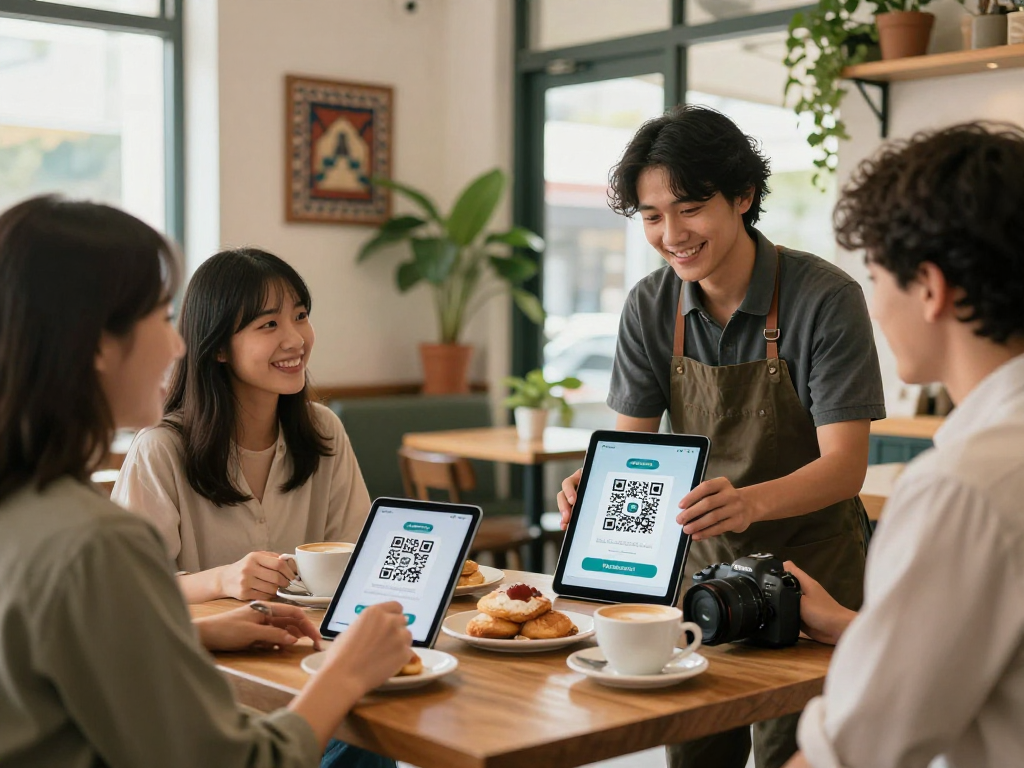
Stamp cards are a traditional method of rewarding loyalty, where customers receive a stamp for each visit or purchase and can earn a reward after a certain number of stamps. However, with the rise of digital solutions, these programs have evolved into QR-based systems where stamps are stored in a mobile app. This transition not only reduces the risk of losing physical cards but also allows businesses to automate the reward distribution process.
Cashback and Discounts: Immediate Gratification for Customers
Cashback and discount loyalty programs offer customers immediate benefits, which can be particularly appealing. Customers receive a percentage of their purchase back as cash or a discount on future purchases. This immediate gratification can drive frequent visits and encourage customers to spend more in order to earn better rewards.
Setting Up Your Loyalty Program: A Step-by-Step Guide
Launching a loyalty program requires careful planning and execution. Here’s a structured approach to setting up an effective loyalty program for your business.
Choosing the Right Platform: Benefits of BonusQR
Selecting a suitable platform is a critical first step. BonusQR provides a versatile and user-friendly solution for small businesses looking to launch a loyalty program. With its QR-based system, businesses can engage customers without needing a complex point-of-sale (POS) system. The platform allows for easy onboarding, automated marketing, and detailed customer insights, enabling businesses to tailor their loyalty programs effectively.
Customizing Your Loyalty Program to Fit Your Brand
Customization is key to a successful loyalty program. Businesses should adapt their loyalty offerings to align with their brand identity and customer preferences. Whether it’s through unique reward structures or branded marketing materials, your program should reflect the values and vision of your business while appealing to your target audience.
Effective Strategies for Onboarding Customers
A seamless onboarding process is vital for customer retention. Encourage customers to sign up by offering immediate rewards or discounts. Use in-store signage and digital promotions to spread awareness of your new loyalty program. Ensure that the registration process is simple and user-friendly, allowing customers to start earning rewards immediately.
Measuring the Success of Your Loyalty Program
Once your loyalty program is in place, it’s essential to track its effectiveness. Understanding how your program impacts customer behavior and business revenue will guide future adjustments and improvements.
Key Metrics to Track for Performance Analysis
Monitoring key performance indicators (KPIs) such as customer retention rates, frequency of visits, and average spend per visit will provide valuable insights into your program's success. Additionally, analyzing the redemption rates of rewards can help determine if your offerings are appealing enough to engage customers.
Customer Feedback: Gaining Insights for Improvement
Soliciting customer feedback is crucial for ongoing improvement. Regularly ask for customer opinions on the loyalty program through surveys or direct interactions. Understanding what customers value most can help you refine your offerings, making your loyalty program more effective.
Adjusting Strategies Based on Data and Analytics
Data analytics can reveal trends and behaviors within your customer base. Use this data to adjust strategies, such as modifying point structures or introducing new rewards. The more responsive your loyalty program is to customer needs, the more successful it will be.
Future Trends in Customer Loyalty: What to Expect Beyond 2026
Looking ahead, the landscape of customer loyalty will continue to evolve. Here are some emerging trends to watch for in 2026 and beyond.
Gamification of Loyalty Programs: Engaging Customers Deeper
Gamification is expected to play a significant role in customer engagement strategies. By incorporating game-like elements into loyalty programs, businesses can enhance user experience and encourage regular participation. Features like challenges, leaderboards, and rewards for completing tasks can motivate customers to engage further.
Innovations in Technology for Loyalty Programs
As technology advances, customer loyalty programs will likely integrate new tools and platforms. Blockchain technology, for example, could provide transparent tracking of points and rewards, while artificial intelligence may personalize customer interactions based on purchasing habits.
Building Long-Term Relationships with AI and Automation
AI can enhance customer interactions by tailoring communications and recommendations. Automation will simplify the management of loyalty programs, allowing businesses to focus on building deeper relationships with their customers. By leveraging these technologies, brands can create more meaningful loyalty experiences that foster long-term commitments.
What rewards should I choose for my loyalty program?
Choosing the right rewards is foundational to any successful loyalty program. Consider your customer demographics and preferences when designing your reward structure. A mix of discounts, exclusive products, and experiential rewards tends to resonate well and keep customers engaged.
How can I effectively promote my loyalty program?
Promotion is essential for driving participation in your loyalty program. Use multiple channels, including social media, email marketing, and in-store displays, to communicate your offerings. Word-of-mouth referrals can also boost program visibility, so ensure your current customers are satisfied and willing to share their experiences.
What are common mistakes to avoid when starting a loyalty program?
One common pitfall is complicating the program structure, which can deter customer participation. Ensure that your program is easy to understand and that rewards are attainable. Additionally, failing to promote the program effectively can limit its success. Regular communication about the program and its benefits is crucial.
How can I integrate my loyalty program with other marketing efforts?
Integrating your loyalty program with other marketing initiatives can create a cohesive customer experience. For more information, loyalty program offers valuable insights. Use data from your loyalty program to tailor broader marketing campaigns, ensuring consistency in messaging and customer engagement strategies. This integration can enhance customer value and strengthen brand loyalty.
What data do I need to track for GDPR compliance?
When operating a loyalty program, it’s important to comply with data protection regulations such as the GDPR. Ensure that you obtain proper consent for data collection, provide customers with information on how their data will be used, and allow for easy opt-out options. Maintaining transparency will build trust and encourage participation in your program.