Understanding the Role of Interior Fit Out Contractors
Interior fit out contractors play a crucial role in transforming spaces into functional and aesthetically pleasing environments. They manage the process of adapting interior spaces, ensuring that every detail aligns with the client's vision while adhering to local regulations and standards. From commercial offices to residential homes, the expertise of an interior fit out contractor is essential for creating tailored environments that meet both practical needs and design aspirations. When exploring options, Interior fit out contractor services can provide comprehensive insights and assistance throughout every stage of your project.
What Does an Interior Fit Out Contractor Do?
Interior fit out contractors are responsible for executing the design and functionality of interior spaces. Their work encompasses a wide range of tasks, including:
- Assessing client needs and objectives
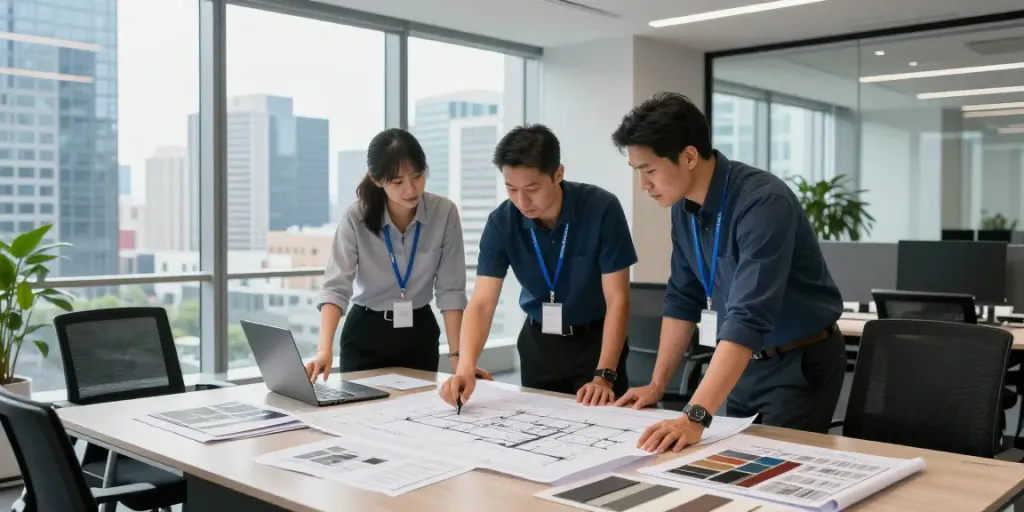
- Coordinating with architects and designers
- Managing project timelines and budgets
- Overseeing construction and installation processes
- Ensuring compliance with safety and building regulations
These professionals typically collaborate with a variety of skilled tradespeople, including electricians, plumbers, and carpenters, to deliver a cohesive finished product that meets the specified design and functionality.
Key Skills and Qualifications for Success
To excel in the competitive field of interior fit outs, contractors require a blend of technical skills and project management expertise. Essential qualifications include:
- Strong understanding of architectural and engineering principles
- Excellent communication skills for client interaction
- Knowledge of local building codes and regulations
- Project management capabilities to ensure timely delivery
- Experience with budgeting and resource allocation
Moreover, a keen eye for design and detail is vital for creating spaces that are not only functional but also visually appealing.
The Importance of In-House Fabrication
In-house fabrication is a significant advantage for interior fit out contractors. By controlling the fabrication process, contractors can ensure quality and consistency across all elements of the project. Additionally, managing fabrication internally allows for more efficient communication between design and manufacturing teams, reducing the risk of errors and improving turnaround times.
This approach also enables contractors to accommodate design changes more easily, as everything from materials to finishing touches is handled under one roof. This streamlined process contributes to higher customer satisfaction as projects can be customized and adapted without unnecessary delays.
Current Trends in Interior Fit Out Design
As the field of interior fit out continues to evolve, several key trends are shaping design approaches for 2026. Understanding these trends can help contractors and clients alike make informed decisions about their projects.
Innovative Materials and Finishes for 2026
With advancements in technology and design, new materials and finishes are emerging that focus on durability and aesthetics. Some notable trends include:
- Recycled and Eco-Friendly Materials: As sustainability becomes increasingly important, many contractors are exploring the use of recycled materials, including reclaimed wood and recycled metals, in fit out projects.
- Advanced Finishes: High-performance coatings and finishes not only enhance appearance but also offer increased resilience against wear and tear, especially in high-traffic areas.
- Smart Materials: These materials can change properties based on environmental conditions, allowing for dynamic environments that respond to user needs in real-time.
Sustainable Practices and Eco-Friendly Designs
In recent years, there has been a significant shift towards sustainable design practices within the interior fit out industry. Clients increasingly demand eco-friendly options that reduce environmental impact. Key sustainable practices include:
- Using energy-efficient lighting and HVAC systems
- Integrating natural light through design enhancements, such as larger windows and open spaces
- Implementing water-saving plumbing fixtures
By adopting these sustainable design practices, contractors not only meet client expectations but also contribute to broader environmental goals.
Smart Technology Integration in Workspaces
The integration of smart technology into interior spaces is transforming how we use our environments. From automated lighting systems to advanced climate control, technology enhances both functionality and comfort. Key trends include:
- IoT Connectivity: Internet of Things (IoT) devices allow for seamless control of lighting, temperature, and security systems from a single interface, improving convenience for users.
- Workspace Flexibility: Smart technology enables adaptable workspace solutions, allowing spaces to shift between collaboration and focus areas as needed.
The integration of smart technologies not only improves efficiency but also enhances the overall user experience, making spaces more enjoyable and conducive to productivity.
Challenges Faced by Interior Fit Out Contractors
Despite the opportunities present in the interior fit out sector, contractors face a range of challenges that can impact project outcomes. Understanding these challenges is key to navigating the complexities of each project successfully.
Common Misconceptions About Fit Out Processes
One of the major challenges for interior fit out contractors is addressing common misconceptions that clients may have regarding the fit out process. Some prevalent myths include:
- Fit outs are straightforward and can be completed quickly.
- All contractors provide the same level of service and quality.
- The design process is entirely separate from the construction phase.
Contractors must educate clients about the intricacies of the fit out process, emphasizing the importance of thorough planning, collaboration, and attention to detail.
Managing Client Expectations and Project Timelines
Effectively managing client expectations and adhering to project timelines presents another challenge. Clients often desire rapid completion while maintaining high quality. To navigate this effectively, contractors should:
- Establish clear timelines and milestones at the project outset
- Provide regular updates to keep clients informed about progress
- Communicate any potential delays as soon as they arise
By practicing proactive communication, contractors can foster trust and mitigate frustrations, leading to more successful project outcomes.
Solutions for Quality Control and Assurance
Ensuring quality throughout the fit out process is paramount to a contractor's reputation and success. To uphold quality, contractors can implement the following strategies:
- Establish detailed specifications for materials and finishes
- Conduct regular inspections during the fabrication and installation phases
- Encourage feedback from clients at various stages to address concerns promptly
Prioritizing quality control reinforces a contractor's commitment to excellence and helps build long-term client relationships.
Best Practices for Hiring an Interior Fit Out Contractor
Choosing the right interior fit out contractor is fundamental to the success of any project. By following best practices for evaluation and selection, clients can ensure they partner with a reliable professional.
Evaluating Experience and Portfolio
When considering potential contractors, examine their experience and portfolio closely. Look for:
- Previous projects that align with your vision and requirements
- Demonstrated experience with similar types of fit outs (commercial vs. residential)
- Client testimonials and reviews
A strong portfolio indicates a contractor's capabilities and style, helping clients make informed decisions.
The Importance of Communication and Transparency
Effective communication is vital for successful collaboration between clients and contractors. Look for contractors who:
- Are responsive to inquiries and provide clear explanations
- Offer transparent pricing with itemized quotes
- Encourage regular updates and feedback throughout the project
Good communication fosters collaboration, ensuring that the project aligns with client expectations.
Critical Questions to Ask Before Hiring
Before making a final decision, clients should ask potential contractors key questions, including:
- What is your project management process?
- Can you provide references from past clients?
- How do you handle design changes during the project?
These questions will provide valuable insights into a contractor's approach and readiness to meet client expectations.
Future Predictions and Developments in the Industry
The interior fit out industry is constantly evolving. Staying ahead of trends and anticipating future developments is crucial for contractors aiming to remain competitive.
Emerging Design Aesthetics and Their Impact
As design trends shift, new aesthetics are emerging that emphasize comfort and well-being. The following concepts are likely to gain traction:
- Biophilic Design: Incorporating elements of nature into interiors to enhance well-being and productivity.
- Minimalism: Streamlined designs that create a sense of calm and uncluttered spaces.
- Multifunctional Spaces: Design solutions that optimize space use, making areas versatile and adaptable.
Understanding these aesthetic trends will allow contractors to create offerings that resonate with modern clients.
Shifts in Client Preferences Post-Pandemic
The COVID-19 pandemic has significantly influenced client preferences regarding interior environments. Expectations now include:
- Enhanced hygiene features, such as touchless technology
- Flexible workspaces that support both remote and in-office work
- A greater focus on mental health and wellness through thoughtful design
Contractors who adapt to these shifting preferences will be better positioned for success in a post-pandemic world.
Technological Advancements Shaping the Future of Fit Outs
Technology will continue to play a significant role in the evolution of fit out processes. Key advancements to watch for include:
- Increased use of Building Information Modeling (BIM) for precise planning and visualization
- Enhanced project management tools that facilitate collaboration and communication
- Virtual and augmented reality technologies for design presentations and client reviews
These technologies will not only streamline operations but also enhance the client experience throughout the fit out process.
What is the average cost of hiring an interior fit out contractor?
The cost of hiring an interior fit out contractor can vary significantly based on factors such as project scope, materials used, and location. On average, fit out projects can range from $50 to $250 per square foot.
How long do interior fit out projects typically take?
Project timelines for interior fit outs depend on complexity and size. Simple projects may take a few weeks, while larger or more intricate designs could extend to several months. A clear timeline should be established during the initial planning stages.
What materials are best for sustainable interior fit outs?
Ideal materials for sustainable fit outs include bamboo, reclaimed wood, recycled metals, and low-VOC (volatile organic compounds) paints. These materials minimize environmental impact while providing durability and style.
What should I consider when designing an office space?
Key considerations for office design include employee comfort, workflow efficiency, and flexibility for various working styles. Prioritizing natural light, open spaces, and collaborative areas can significantly enhance the workspace.
How can I ensure quality during the fit out process?
To ensure quality, clients should maintain open communication with their contractor, conduct regular site visits, and establish clear quality standards before commencing work. This proactive approach can help mitigate potential issues.