Trekking packages are a major part of adventure travel in Nepal and other mountain destinations, where travelers look for guided journeys to places like Everest Base Camp, the Annapurna Circuit, and Langtang Valley. But with so many operators offering similar trips, simply listing a trek is not enough. To get more bookings, you need a marketing strategy that highlights what makes your treks unique and trustworthy.
This guide explains twelve proven ways to market trekking packages more effectively and attract more travelers throughout the year.
1. Understand Your Target Audience
Every successful marketing campaign begins with knowing who you want to reach. Different travelers have different expectations, budgets, and fitness levels. Some are first-time trekkers looking for guided experiences on popular routes like Ghorepani Poon Hill or Everest View Trek, while others are experienced hikers seeking challenging journeys such as the Manaslu Circuit or Upper Mustang.
Understanding your audience allows you to create packages and marketing messages that address their interests directly. Instead of promoting every trek to everyone, focus on the travelers who are most likely to book your services.
2. Build Attractive Trekking Packages
A trekking package should offer more than a simple itinerary. Clearly explain what makes your package valuable and why travelers should choose it over similar options.
Highlight important details such as the trekking route, trip duration, accommodation, meals, transportation, guide services, permits, and unique experiences. For example, a package for the Annapurna Base Camp trek should clearly show how many days are spent walking, what kind of lodges are included, and whether airport transfers or city stays are part of the deal. Transparent pricing and clearly listed inclusions help build confidence and reduce hesitation during the booking process.
3. Optimize Your Website for Search Engines
Many travelers begin planning their trips through search engines. If your website does not appear in search results, potential customers may never discover your business.
Create informative pages for each trekking package using relevant keywords, descriptive headings, and original content. A page for theEverest Base Camp Trek, for example, should include useful details about altitude, duration, best seasons, and difficulty level. Fast loading speeds, mobile-friendly design, and easy navigation also improve user experience and increase the likelihood of conversions.
Publishing destination guides, trekking tips, and travel resources can further improve your search visibility while establishing your company as a trusted source of information.
4. Invest in High-Quality Visual Content
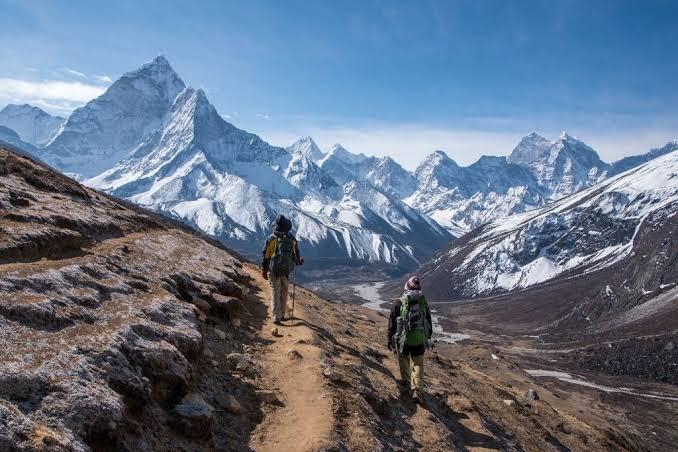
Trekking is a highly visual experience. Stunning Himalayan peaks, mountain sunrises, local villages, suspension bridges, and happy trekkers inspire people to imagine themselves on the journey.
Professional photographs and well-produced videos make your packages more appealing and create stronger emotional connections with potential customers. Whenever possible, use original images from your own treks rather than generic stock photography to showcase authentic experiences. Real visuals from routes like Annapurna, Everest, or Langtang help travelers trust that your company truly operates in those destinations.
5. Use Social Media Consistently
Social media platforms are valuable tools for reaching adventure travelers around the world. Instead of posting only promotional offers, share educational and engaging content that inspires people to travel.
Post trekking tips, trail updates, packing advice, customer stories, mountain facts, and behind-the-scenes moments from your team. You can also share short clips from popular treks in Nepal, such as sunrise views from Poon Hill or trail scenes from the Everest region. Consistent posting helps build trust and keeps your business visible to potential customers throughout the year.
6. Create Helpful Content That Builds Trust
Content marketing is one of the most effective long-term strategies for attracting organic traffic.
Write blogs that answer common questions about trekking destinations, preparation, fitness, altitude, permits, and travel seasons. Helpful content positions your company as an expert while improving search engine rankings. Articles about the best time to trek in Nepal, how to prepare for high-altitude treks, or what to pack for the Annapurna Circuit can bring in travelers who are actively researching their trip.
The more useful information you provide, the more likely potential customers are to trust your recommendations when choosing a trekking package.
7. Showcase Customer Reviews and Testimonials
Travelers often rely on the experiences of previous customers before making a booking decision. Positive reviews provide social proof and reduce uncertainty.
Encourage satisfied clients to leave reviews after completing their trek. Feature testimonials, ratings, and customer photos on your website and social media channels to demonstrate the quality of your services. A review from someone who completed Everest Base Camp or Mardi Himal with your team can be far more persuasive than a general promotional message.
Authentic stories from real trekkers often influence purchasing decisions more effectively than promotional advertising.
8. Use Email Marketing to Stay Connected
Not every website visitor is ready to book immediately. Email marketing allows you to maintain communication until they are ready to make a decision.
Share seasonal trekking recommendations, travel guides, new package launches, special offers, and useful preparation tips. For example, you can send updates about the best trekking seasons in Nepal, new departures for the Annapurna region, or reminders about permits and packing lists. Personalized emails that provide genuine value are more effective than frequent promotional messages.
Building an engaged email list creates opportunities for repeat bookings and customer referrals.
9. Collaborate with Travel Influencers and Creators
Partnering with travel bloggers, photographers, videographers, and adventure content creators can expand your reach to new audiences.
Choose creators whose followers genuinely enjoy trekking and outdoor travel rather than focusing only on audience size. A creator who has trekked in Nepal and shares authentic trail experiences can introduce your packages to travelers who are already interested in Himalayan adventures. Authentic storytelling often generates stronger engagement and encourages potential travelers to explore your trekking packages.
Well-planned collaborations can also provide valuable content that you can reuse across your own marketing channels.
10. Run Paid Advertising Strategically
Organic marketing takes time, but paid advertising can generate faster results when managed effectively.
Use search engine advertising to target people actively looking for trekking packages, while social media advertising can help you reach travelers based on interests, locations, and travel behavior. Ads for popular treks such as Everest Base Camp, Annapurna Base Camp, or Langtang Valley can perform well when targeted to the right audience.
Focus on promoting your most popular packages during peak booking periods and monitor campaign performance regularly to maximize your return on investment.
11. Offer Seasonal Promotions Without Reducing Value
Special offers can encourage bookings, especially during quieter travel periods. However, constant discounts may reduce the perceived value of your services.
Instead of lowering prices significantly, consider adding extra value through complimentary airport transfers, equipment rentals, city tours, or additional accommodation. Travelers often appreciate added benefits more than simple price reductions.
Limited-time promotions also create urgency without weakening your brand positioning.
12. Measure and Improve Your Marketing Performance
Marketing should be based on data rather than assumptions. Regularly monitor your website traffic, booking inquiries, conversion rates, social media engagement, and advertising performance.
Understanding which channels generate the most bookings allows you to invest your marketing budget more effectively. If one blog post about the Annapurna Circuit brings in more leads than a social media campaign, you can adjust your strategy accordingly. Continuous testing and improvement help you refine your approach and achieve better results over time.
Small adjustments based on real performance data often produce significant long-term growth.
Practical Tips for Better Trekking Package Marketing
Consistency is one of the biggest factors behind successful marketing. Maintain a regular publishing schedule for your website and social media channels instead of posting only during peak trekking seasons.
Keep your trekking package information updated with current itineraries, pricing, and availability. Outdated content can reduce customer confidence and negatively affect search engine rankings.
Invest in professional branding across your website, photography, and marketing materials. A consistent visual identity helps your business appear more trustworthy and memorable.
Most importantly, focus on providing genuine value. Educational content, honest communication, and excellent customer service build long-term relationships that generate referrals and repeat bookings.
Conclusion
Marketing trekking packages successfully requires a combination of strategy, creativity, and consistency. By understanding your audience, creating valuable content, improving your online presence, showcasing authentic trekking experiences, and tracking your performance, you can attract more qualified travelers and increase bookings throughout the year.
Rather than relying on a single marketing channel, combine search engine optimization, content marketing, social media, customer reviews, email campaigns, and paid advertising to build a balanced marketing strategy. Over time, these efforts will strengthen your brand, improve customer trust, and help your trekking business grow in an increasingly competitive adventure travel market.