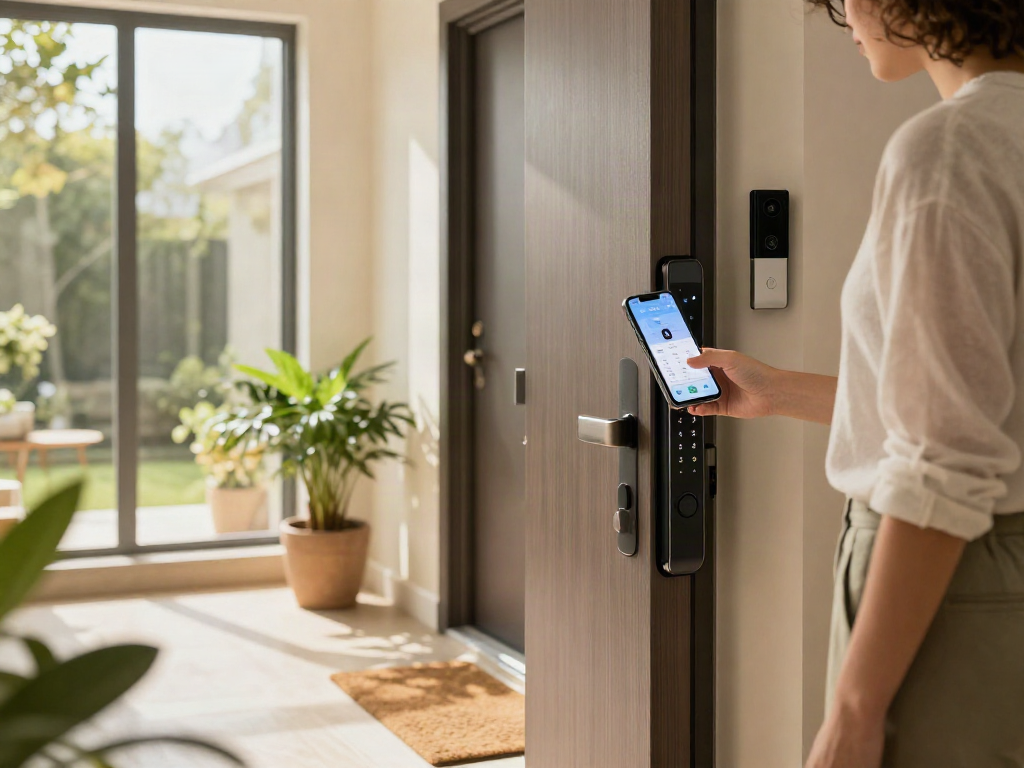
Understanding Smart Locks and Their Benefits
In a rapidly evolving digital landscape, security is paramount for homeowners. قفل هوشمند systems have emerged as an innovative solution, combining traditional locking mechanisms' reliability with cutting-edge technology. These intelligent locks offer numerous advantages, from remote access capabilities to sophisticated monitoring features. With the growing concern over home security, understanding the functionalities and benefits of smart locks is crucial for homeowners looking to enhance their safety and convenience.
What is a قفل هوشمند?
A قفل هوشمند, or smart lock, is a modern locking system that allows users to lock and unlock doors using various methods, including smartphones, key fobs, and biometric data. Unlike traditional locks, which rely solely on physical keys, smart locks integrate with home automation systems and can often be controlled remotely. This means that users can monitor access in real-time, receive alerts for unauthorized entry, and grant temporary access to guests—all without needing a physical key.
Key Features of Smart Locks
- Remote Access: Unlock or lock your door from anywhere using a smartphone app.
- Keyless Entry: Use PIN codes, fingerprints, or your smartphone to gain access.
- Integration with Smart Homes: Connect with other devices like doorbell cameras and security systems for enhanced functionality.
- Activity Logs: Track who enters or leaves your home and when.
Advantages Over Traditional Locks
Smart locks offer several advantages compared to traditional locking systems. Firstly, they provide enhanced security features, such as alerts for suspicious activities and the ability to lock and unlock doors remotely. This level of control is particularly beneficial for families with children or elderly relatives. Additionally, smart locks can eliminate the need for physical keys, reducing the risk of losing them or the need for re-keying locks. Moreover, many models allow for temporary access codes, ideal for guests or service personnel, ensuring that you can manage access efficiently.
Security Concerns with Smart Locks
While smart locks provide numerous benefits, they also raise important security concerns that homeowners must address. Understanding these vulnerabilities is key to maximizing their effectiveness and ensuring your home remains secure.
Common Vulnerabilities and Risks
Smart locks can be susceptible to various cyber threats, such as hacking or signal interception. Since these locks rely on internet connectivity, they may be vulnerable to attacks if not adequately protected. Additionally, users often overlook the importance of strong passwords or two-factor authentication, which are critical to maintaining security.
How to Secure Your Smart Lock
- Use Strong Passwords: Ensure that any accounts linked to your smart lock have robust, unique passwords.
- Enable Two-Factor Authentication: This adds an extra layer of security by requiring a second form of identification.
- Regularly Update Firmware: Keep your smart lock’s software updated to protect against the latest vulnerabilities.
Misconceptions About Smart Lock Security
There are several misconceptions surrounding smart lock security. Some people believe that smart locks are inherently less secure than traditional locks, which is often not the case. When properly configured and secured, smart locks can provide better security than their conventional counterparts. Moreover, the notion that they are overly complex is misleading; many smart locks feature user-friendly interfaces designed for ease of use.
Choosing the Right قفل هوشمند for Your Home
Selecting the right smart lock for your home requires careful consideration of various factors to ensure you make an informed choice that meets your security needs and lifestyle.
Factors to Consider When Selecting a Smart Lock
- Compatibility: Ensure the smart lock you choose is compatible with your existing door and any home automation systems.
- Locking Mechanism: Decide between a deadbolt, lever lock, or smart padlocks based on your security needs.
- Power Source: Check whether the lock uses batteries, is hardwired, or can be charged; regular maintenance is essential for battery-operated models.
Top Recommended Smart Locks for 2026
As the smart lock market evolves, several models have emerged as top performers based on functionality, security features, and customer satisfaction. Some of the most recommended options for 2026 include:
- August Smart Lock Pro: Known for its seamless integration with existing deadbolts and superior security features.
- Schlage Encode: Offers built-in Wi-Fi for direct connection without additional hubs and has exceptional durability.
- Yale Assure Lock 2: Features multiple access modes, including keypad entry and smartphone compatibility.
Comparing Brands and Models
When comparing smart lock brands, consider factors such as user reviews, warranty, and available customer support. Some brands focus on specific features, like remote access or smart home compatibility, while others prioritize security or ease of installation. It’s essential to determine which features align most closely with your lifestyle and security requirements.
Installation and Setup Tips
Successfully installing a smart lock not only enhances security but also ensures long-term reliability. Proper installation can prevent many common issues and ensure the lock functions optimally.
Step-by-Step Installation Guide for Your قفل هوشمند
- Remove the existing lock and deadbolt if applicable.
- Install the smart lock's mounting bracket and ensure it is level; this is crucial for proper operation.
- Attach the smart lock according to the manufacturer's instructions, securing all screws tightly.
- Download the corresponding mobile app and follow the setup guide for pairing your lock with your smartphone.
- Test the lock operation via the app before completing installation.
Integrating with Home Automation Systems
Integrating your قفل هوشمند with your home automation system enhances functionality and security. Most smart locks are compatible with popular platforms like Google Home, Amazon Alexa, or Apple HomeKit. This integration allows you to control your lock with voice commands, receive alerts on your smart devices, and even set automated routines for locking and unlocking.
Common Installation Mistakes to Avoid
- Ignoring Manufacturer Instructions: Always follow the provided guidelines to avoid installation errors.
- Not Testing the Lock: Failing to test the lock's functionality before completing installation can lead to issues later.
- Overlooking Battery Maintenance: Regularly check and replace batteries in battery-operated models to ensure reliability.
Future Trends in Smart Lock Technology
As we approach 2026, the smart lock industry is poised for exciting innovations that will further enhance security and user experience. Staying updated on these trends is essential for homeowners looking to future-proof their security systems.
Innovations in Smart Lock Features by 2026
Emerging trends indicate that biometric technology will play a significant role in the evolution of smart locks. Enhanced fingerprint scanning, facial recognition, and even iris scanning could become standard features, providing unparalleled security. Additionally, advancements in artificial intelligence (AI) may enable smart locks to learn user habits and optimize security protocols accordingly.
How Smart Locks Are Evolving
The future of smart locks lies in their ability to integrate seamlessly with broader security ecosystems. Expect to see more robust partnerships between smart lock manufacturers and other security device makers, resulting in comprehensive home security solutions that offer features like real-time video feeds, remote monitoring, and automated alert systems.
The Future of Home Security Solutions
As smart technology continues to evolve, the concept of home security will shift toward more proactive measures. Homeowners can expect to leverage data analytics to monitor their environments more effectively. For instance, algorithms could analyze patterns of entry and exit, alerting users to any unusual activity while suggesting preventive measures to bolster security.
What are the advantages of a قفل هوشمند over traditional locks?
Smart locks provide enhanced security features, such as real-time access monitoring and remote control. They eliminate the need for physical keys, reducing the risk of loss and unauthorized access. Furthermore, their compatibility with smart home systems allows for seamless integration and automation.
How can I ensure the security of my قفل هوشمند?
To secure your smart lock, use strong, unique passwords for your accounts, enable two-factor authentication, and regularly update the firmware. Additionally, be aware of potential vulnerabilities and take proactive measures to mitigate them.
Are there any compatibility issues with smart locks?
Compatibility can vary based on the type of door and existing locking systems. Ensure that the smart lock you select is suitable for your specific door and that it integrates easily with your home automation devices.
What features should I look for in a smart lock?
When evaluating smart locks, consider features like remote access, keyless entry, integration with smart home systems, and activity logs. These functionalities enhance security, convenience, and user experience.
How do I reset my قفل هوشمند if it malfunctions?
Most smart locks come with a reset procedure outlined in the manufacturer’s manual. Typically, this involves pressing a specific button combination or using a dedicated app to restore the lock to factory settings. Regularly checking the device for updates and issues can help prevent malfunctions.