
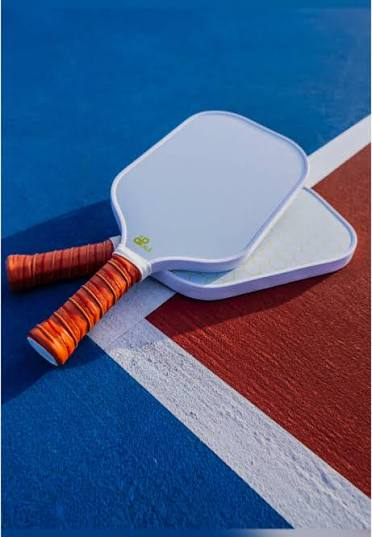
Pickleball has evolved significantly, and modern equipment now plays an important role in how players perform on the court. Among all the equipment choices, the paddle has perhaps the greatest influence on power, control, spin, and comfort. Advances in materials and manufacturing have created paddles designed for different playing styles and skill levels. Understanding modern pickleball paddle technology can help players make informed decisions and get more from every shot. One important part of choosing the right equipment is pickleball paddle testing, which can help evaluate performance before making a purchase.
Understanding Modern Paddle Technology
Pickleball paddles have developed considerably from the simple wooden models used in the early days of the sport. Today's paddles can feature advanced composite materials, engineered cores, textured surfaces, and specialized shapes.
Manufacturers design these features to improve specific aspects of performance. Some paddles focus on generating power, while others prioritize touch and control. Some are designed to produce more spin, while others emphasize stability and forgiveness.
Understanding these technologies allows players to choose equipment based on their individual needs rather than simply selecting a popular paddle.
Paddle Core Technology
The paddle core is one of the most important components affecting how a paddle feels and performs. Modern paddles commonly use lightweight honeycomb-style core structures designed to balance strength, weight, power, and control.
The core influences how energy transfers from the paddle to the ball. A responsive core can help generate power, while a softer-feeling construction may provide better touch for controlled shots.
Players who frequently use dinks, drops, and resets may appreciate a paddle with a control-oriented core, while aggressive players may prefer a more powerful response.
Surface Technology for Better Spin
Spin is an important part of modern pickleball. Players can use topspin, backspin, and sidespin to change the ball's trajectory and make shots more difficult to return.
Many modern paddles feature textured surfaces that are designed to increase interaction between the pickleball paddle testing . This can help players generate more spin when performing serves, drives, and other shots.
However, surface texture is only one factor. Technique, swing speed, paddle angle, and timing also have a major impact on spin.
Lightweight Materials Improve Maneuverability
Modern paddle construction has made it possible to create strong and durable paddles without making them excessively heavy. Lightweight materials can help players move the paddle quickly during fast exchanges.
Quick maneuverability is particularly valuable at the kitchen line, where players often have only a fraction of a second to react.
A lighter paddle can also reduce fatigue during longer sessions. However, some players may prefer additional weight because it can provide stability and power. The ideal weight depends on individual strength and playing style.
Paddle Shape and Performance
Paddle shape can also influence how technology translates into performance. Widebody paddles generally provide a larger hitting area and can be forgiving for beginners.
Elongated paddles can provide additional reach and leverage, which may appeal to players who want greater court coverage. However, the narrower shape can require more precise contact.
Choosing the right shape involves balancing reach, maneuverability, sweet spot size, and personal preference.
Improving Power and Control
One of the biggest benefits of modern paddle technology is the ability to balance power and control. Earlier equipment often required players to choose strongly between these characteristics.
Modern designs can combine responsive cores, advanced surfaces, and carefully engineered weight distributions to provide a more balanced playing experience.
Power can help players hit deeper drives and stronger serves, while control allows for precise placement and softer shots. A paddle that matches your style can make it easier to develop consistency in both areas.
The Importance of Paddle Testing
Before purchasing new equipment, players should consider how a paddle actually performs in real playing situations. pickleball paddle testing can provide useful information about factors such as power, control, spin, balance, vibration, durability, and sweet spot performance.
Testing can also reveal whether a paddle feels comfortable in your hand. Two paddles with similar specifications may feel completely different during actual play.
Whenever possible, test a paddle using different shots, including serves, drives, volleys, dinks, and resets. This gives you a better understanding of how the equipment fits your individual game.
Reducing Vibration and Improving Comfort
Modern paddle technology also focuses on player comfort. Some paddles are designed to reduce unwanted vibration when the ball strikes the surface.
Reduced vibration can create a more comfortable feel, particularly during long practice sessions or competitive matches. Handle construction, grip material, core design, and paddle composition can all influence vibration.
Comfort should not be overlooked because an uncomfortable paddle can affect concentration and consistency.
Durability and Long-Term Performance
Technology has also improved paddle durability. High-quality materials and manufacturing techniques can help paddles withstand regular practice and competitive play.
Players should still inspect their equipment regularly for surface damage, cracks, loose components, or other signs of wear. Proper storage and care can help maintain performance over time.
A durable paddle can provide better long-term value, especially for players who practice frequently.
Choosing Technology for Your Playing Style
The latest paddle technology is useful only when it matches your needs. Beginners may benefit from a forgiving paddle that emphasizes control and stability. Intermediate players may want a balanced combination of power and spin.
Advanced players often have more specific preferences based on their technique and competitive goals.
Instead of choosing equipment based solely on marketing claims, consider your playing style, skill level, physical comfort, and the characteristics that actually improve your performance.
Conclusion
Pickleball paddle technology can significantly influence the way you play. Advanced cores, textured surfaces, lightweight materials, ergonomic grips, and specialized shapes can improve power, control, spin, maneuverability, and comfort.
However, technology alone does not guarantee better performance. The most effective paddle is one that complements your technique and feels comfortable during real gameplay. Through careful research and pickleball paddle testing, players can compare different options and identify equipment that supports their strengths.
With the right paddle and consistent practice, modern technology can help you play with greater confidence, control, and consistency on the pickleball court.