
Energy costs are one of the biggest challenges for modern industries and commercial facilities. Businesses require reliable electricity and heat to support daily operations, but traditional energy systems often waste valuable resources during power generation. To improve efficiency and reduce expenses, many organizations are adopting gas cogeneration systems.
Gas cogeneration, also known as Combined Heat and Power (CHP), allows facilities to produce electricity and useful heat from the same fuel source. By improving energy utilization and reducing waste, these systems help businesses lower operating costs while maintaining reliable power performance. A trusted gas generator manufactuer can provide CHP solutions that maximize efficiency, support sustainability goals, and deliver dependable energy for industrial and commercial applications.
Understanding Gas Cogeneration Systems
Gas cogeneration systems are designed to generate electricity and thermal energy simultaneously. Instead of producing electricity separately and using additional equipment for heating, cogeneration captures the heat created during power production and puts it to practical use.
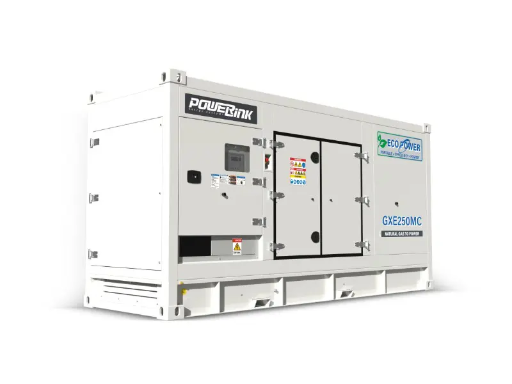
A natural gas generator is commonly used in cogeneration applications because it provides efficient and stable power generation. The electricity produced supports facility operations, while recovered heat can be used for heating processes, hot water, or other industrial requirements.
Why Operating Cost Reduction Matters
For industrial and commercial organizations, energy expenses directly impact profitability. Inefficient power systems can lead to:
- Higher fuel consumption
- Increased maintenance expenses
- Energy losses
- Reduced operational efficiency
- Greater dependence on external electricity supplies
Gas cogeneration systems address these challenges by maximizing fuel usage and improving overall energy management.
How Gas Cogeneration Helps Reduce Costs
Improved Fuel Efficiency
One of the biggest advantages of cogeneration is better fuel utilization. Traditional electricity generation often releases unused heat into the environment, resulting in energy waste.
Cogeneration systems recover this heat and convert it into useful energy. With support from an experienced gas generator manufactuer, businesses can install efficient systems designed to deliver maximum performance from available fuel resources.
Lower Electricity Expenses
Generating electricity on-site can help businesses reduce their dependence on the public power grid. This provides greater control over energy costs and reduces exposure to changing electricity prices.
A properly designed natural gas generator system can provide consistent power while helping facilities manage their long-term energy expenses.
Reduced Heating Costs
Many industries require both electricity and heat for their daily operations. Normally, these needs are handled through separate systems, increasing fuel usage and maintenance requirements.
Gas cogeneration combines both functions into one integrated solution. The recovered heat reduces the need for additional heating equipment, creating significant cost savings.
Decreased Energy Waste
Efficiency is a major factor in controlling operating costs. By using the same fuel source for multiple energy outputs, cogeneration minimizes unnecessary losses.
This improved energy efficiency allows businesses to achieve better performance while using fewer resources.
Applications of Gas Cogeneration Systems
Gas cogeneration technology is widely used in industries and facilities that require continuous energy supply, including:
- Manufacturing plants
- Food processing facilities
- Healthcare centers
- Hotels and commercial buildings
- Chemical industries
- Data centers
- Educational campuses
These environments benefit from reliable electricity and heat production through a single energy system.
Features of Modern Gas Cogeneration Solutions
Today’s cogeneration systems include advanced technologies that improve efficiency and reliability. These features may include:
- Automated monitoring systems
- Smart energy controls
- Efficient combustion technology
- Remote performance tracking
- Safety management systems
These improvements allow operators to optimize energy production and reduce unnecessary costs.
Choosing the Right Gas Cogeneration System
Selecting the right cogeneration system requires careful planning. Businesses should consider factors such as energy demand, facility size, fuel availability, and future expansion needs.
A professional gas generator manufactuer can help organizations choose equipment that matches their operational requirements and provides long-term value.
Proper system sizing and installation are essential to achieving maximum efficiency and cost savings.
The Future of Gas Cogeneration Technology
As energy efficiency becomes increasingly important, gas cogeneration systems are expected to play a larger role in future power strategies. Businesses are searching for solutions that provide reliability, sustainability, and financial benefits.
With continuous improvements in generator technology and energy management systems, cogeneration will remain a valuable option for reducing energy costs.
Conclusion
Gas cogeneration systems provide an effective way for businesses to reduce operating costs by improving energy efficiency and minimizing waste. By producing electricity and heat together, these systems help organizations achieve better resource utilization and greater energy control.
With advanced solutions such as natural gas generator, companies can improve reliability, reduce expenses, and create more efficient energy systems for the future.