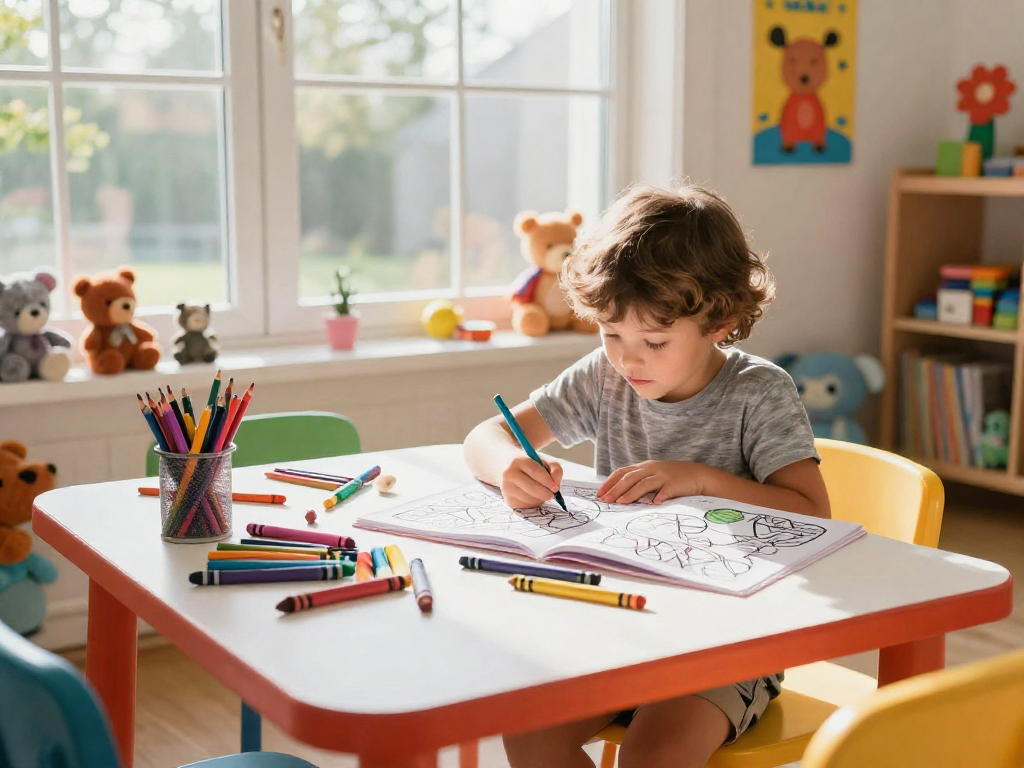
Understanding the Benefits of Coloring Books
Coloring books have transcended the realm of children’s entertainment and emerged as valuable tools for cognitive and emotional development for individuals of all ages. Their simplicity and engaging nature provide not only fun but also therapeutic benefits, making them essential in nurturing creativity and relaxation. When exploring options, Coloring Books can provide comprehensive insights into the variety available for different needs and age groups.
What are Coloring Books Good For?
Coloring books serve diverse purposes, ranging from simple enjoyment to enriching educational tools. They engage users in a creative outlet where they can express their thoughts and emotions through colors. Beyond mere leisure, coloring books can also help individuals create a personal narrative, encouraging them to explore their identities and feelings.
Benefits for Cognitive Development
Research indicates that coloring has a profound impact on cognitive development, particularly in young children. Engaging in coloring requires focus and coordination, enhancing fine motor skills and improving concentration. Additionally, it encourages the development of spatial awareness as children learn to stay within lines and make decisions about color choices, thereby fostering critical thinking and problem-solving skills.
Coloring and Its Therapeutic Effects
Coloring books are increasingly recognized for their therapeutic effects, beneficial in reducing stress and anxiety. The repetitive nature of coloring can induce a meditative state, allowing individuals to unwind and escape from daily pressures. Using colors can also help express complex emotions, making it easier for people to process their feelings. This form of art therapy has been embraced in various settings, including schools and mental health facilities, showcasing the potential of coloring as a tool for emotional well-being.
Choosing the Right Coloring Books for Different Ages
Choosing appropriate coloring books based on age not only enhances the coloring experience but also maximizes the developmental benefits. There is a wide range of options available tailored to specific age groups, from simple images for toddlers to intricate designs for teenagers.
Coloring Books for Toddlers: Simplicity and Fun
For toddlers, the focus should be on simplicity and fun. Books that feature large images with outlines help little hands practice their grip and control while selecting colors. Engaging themes like animals, nature, or everyday objects can stimulate curiosity and make learning a playful adventure.
Preschool and Kindergarten Choices: Engaging Activities
As children progress into preschool and kindergarten, they benefit from more complex designs that encourage creativity while still being manageable. Books that incorporate educational elements, such as numbers or letters within the images, offer an excellent opportunity for learning through play. Interactive coloring books that require tracing shapes or matching colors can also provide added engagement.
Advanced Coloring Books for Teens: Complexity and Themes
Teenagers often seek greater complexity and themes that resonate with their interests, such as fantasy, nature, or pop culture. Advanced coloring books featuring intricate patterns can provide a satisfying challenge, allowing for personal expression through more sophisticated art styles. Moreover, themed books cater to specific passions, whether that be mandalas, mythical creatures, or urban landscapes, promoting mindfulness and focus amidst a often chaotic teenage life.
Creating an Inspiring Coloring Space at Home
To fully enjoy the benefits of coloring books, it’s essential to create an inspiring coloring environment at home. This space should be welcoming and equipped with all necessary supplies that encourage creativity and relaxation.
Essential Supplies for an Artful Environment
Investing in quality coloring supplies is paramount. A variety of coloring tools, including colored pencils, markers, and gel pens, can enhance the coloring experience. Providing a sturdy surface to work on, adequate lighting, and comfortable seating are also crucial in creating a conducive coloring atmosphere.
Decorating the Coloring Space: Inspiration and Fun
Decorating the coloring space can boost motivation and inspiration. Consider adding art pieces or motivational quotes on the walls, alongside the finished coloring pages to celebrate creativity. Plants and colorful decorations can also make the environment more vibrant and inviting.
Organizing Coloring Books and Supplies Effectively
Effective organization of coloring books and supplies can facilitate a more enjoyable experience. Use storage boxes, baskets, or shelving units to keep everything tidy and easily accessible. Categorizing coloring books by theme or complexity can make it easier for individuals to find what they want to use at any given time.
Innovative Uses for Coloring Books Beyond Traditional Coloring
Coloring books can be used innovatively beyond their traditional purpose, opening doors for educational and bonding experiences.
Coloring as a Mindfulness Exercise
Coloring has gained popularity as a mindfulness exercise that promotes mental health benefits. Setting aside time to color mindfully can help individuals focus on the present moment, reducing worrying thoughts and anxiety. Incorporating deep breathing along with coloring can further enhance the calming effects.
Using Coloring Books in Educational Settings
Educators have integrated coloring books into curriculums to help children learn various subjects creatively. From science-themed books that explore the anatomy of animals to geography books that depict maps, coloring can reinforce learning objectives while keeping students engaged.
Integrating Coloring into Family Activities
Coloring can also serve as an interactive family activity, promoting bonding and teamwork. Organizing family coloring nights where everyone participates can lead to shared experiences and discussions, strengthening relationships and improving communication.
Future Trends in Coloring Books: What to Expect in 2026
The coloring book industry continues to evolve, and several exciting trends are emerging as we look toward 2026.
Digital Coloring Books and Interactive Features
As technology advances, digital coloring books equipped with interactive features offer a new dimension to coloring. Apps that allow users to color using touch screens, add animations, or share their art online are becoming increasingly popular, appealing to the tech-savvy generation.
Eco-Friendly Coloring Book Options
With growing awareness of environmental issues, eco-friendly coloring books made from recycled materials and non-toxic inks are gaining traction. Consumers are increasingly looking for products that align with their values, and the coloring book industry is responding by providing sustainable options.
The Rise of Themed and Niche Coloring Books
As the market expands, themed and niche coloring books catering to specific hobbies, fandoms, or cultural interests are on the rise. From niche anime designs to coloring books inspired by history or architecture, these focused themes allow enthusiasts to engage in meaningful creativity that resonates with their interests.
What are the benefits of coloring books?
Coloring books offer numerous benefits including enhancing fine motor skills, promoting relaxation, fostering creativity, and even serving as a therapeutic tool for emotional expression.
How do coloring books aid in emotional expression?
Coloring provides a medium through which individuals can express their feelings and emotions creatively. The act of choosing colors can reflect mood and personality, serving as an important outlet for self-expression.
Can coloring books improve fine motor skills?
Engaging in coloring helps improve fine motor skills as individuals practice grip control and hand-eye coordination, vital for tasks such as writing. This is especially beneficial for children in their developmental stages.