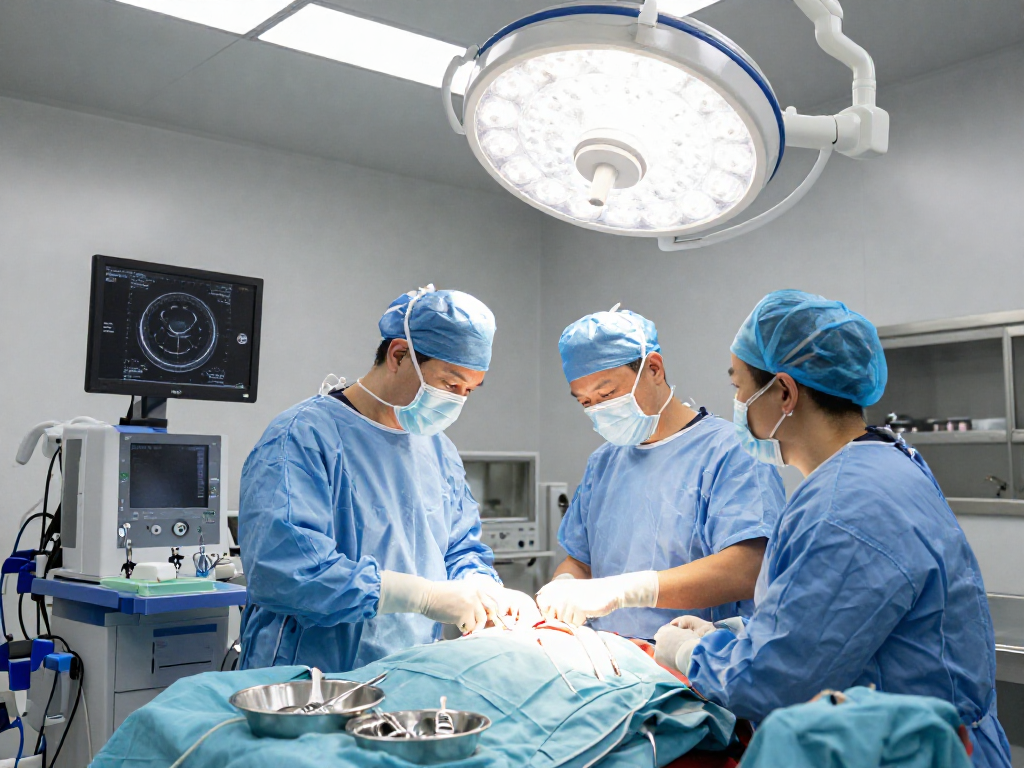
Understanding Brain Tumor Surgery
Brain tumor surgery is a pivotal medical intervention that addresses both benign and malignant tumors within the cranial cavity. With advances in technology, surgical methodologies have evolved, enhancing the safety and efficacy of these procedures. This comprehensive guide aims to delve into the complexities of brain tumor surgery, covering various aspects such as types of tumors, surgical preparation, techniques used, potential risks, and what to expect during recovery. When exploring options, beyin tümörü ameliyatı provides comprehensive insights into this critical medical treatment.
What is Brain Tumor Surgery?
Brain tumor surgery is a medical procedure aimed at removing tumors from the brain to alleviate symptoms, prevent further complications, and improve the patient’s overall health. These tumors can either be primary, arising from brain tissue, or secondary, which are metastases from other body locations. The decision to pursue surgical intervention involves a thorough evaluation of tumor type, size, location, and the overall health of the patient.
Types of Brain Tumors: Meningiomas and Gliomas
Understanding the nature of the specific tumor is essential in planning a surgical approach. Meningiomas are typically benign tumors arising from the meninges, the protective layers covering the brain. They can often grow silently for years before symptoms arise, such as headaches or neurological deficits. On the other hand, gliomas originate from glial cells and can range from low-grade, slow-growing tumors to high-grade, aggressive forms like Glioblastoma Multiforme (GBM).
- Meningiomas: Grade I (benign), Grade II (atypical), and Grade III (anaplastic).
- Gliomas: Different types include astrocytomas, oligodendrogliomas, and ependymomas, often graded based on aggressiveness.
Importance of Early Diagnosis
Early diagnosis significantly impacts treatment options and outcomes for patients with brain tumors. Symptoms can be subtle and varied, including cognitive changes, seizures, or visual disturbances. Imaging techniques such as MRI and CT scans are vital for identifying and characterizing brain tumors, enabling timely intervention and management.
Preparation for Brain Tumor Surgery
Pre-surgery Assessments and Imaging Techniques
Before surgery, a series of assessments are conducted. These may include imaging scans, blood tests, and neurological evaluations to ascertain the patient's health status and any potential surgical risks. Advanced imaging techniques, particularly MRI, play a crucial role in detailing the tumor's size and position, thereby aiding in surgical planning.
Patient Considerations and Health Optimization
Patients should be encouraged to discuss their medical history thoroughly, including any medications or supplements they are taking. Lifestyle factors, such as smoking and alcohol consumption, should also be considered, as they can affect healing. If necessary, pre-operative counseling may involve addressing anxiety and ensuring the patient understands the surgical process.
Anesthesia Options for Brain Surgery
Depending on the specific procedure and patient requirements, various anesthesia options are available. General anesthesia is most commonly used; however, awake craniotomy techniques allow patients to remain conscious during critical parts of the surgery, facilitating real-time neurological assessments and minimizing damage to vital areas.
Conducting the Surgical Procedure
Surgical Techniques: Craniotomy and Awake Surgery
The surgical approach often involves craniotomy, where a portion of the skull is temporarily removed to access the brain. For sensitive cases where tumors are near critical brain areas, awake surgery allows real-time feedback from the patient, helping to navigate around essential functions such as speech and movement.
Role of Technology in Modern Neurosurgery
Modern neurosurgery heavily relies on advanced technologies such as neuronavigation systems, which provide real-time guidance during surgery. These tools enhance precision, ensuring that the surgeon can locate the tumor accurately and avoid damaging surrounding healthy brain tissue.
Post-operative Monitoring During Surgery
During the surgical procedure, continuous monitoring of the patient's vital signs and neurological status is crucial. Anesthesia teams and surgical staff work collaboratively to ensure the patient remains stable throughout the operation, allowing for a prompt response to any potential complications.
Risks and Complications of Brain Tumor Surgery
Common Risks Associated with the Procedure
As with any surgical procedure, brain tumor surgery carries inherent risks. These can include infection, bleeding, and adverse reactions to anesthesia. Additionally, depending on the tumor's location, patients may experience temporary or permanent neurological deficits.
Long-term Complications to Consider
Long-term complications can vary significantly based on tumor type and location. Common concerns include cognitive changes, seizures, motor function impairment, or personality changes. The importance of follow-up care and rehabilitation cannot be overstated, as tailored therapies can significantly improve quality of life post-surgery.
Understanding Recovery Timeframes
Recovery from brain tumor surgery typically requires multiple weeks, depending on the surgery's complexity and the patient's overall health. It's common for patients to experience fatigue, headaches, or cognitive challenges during the initial recovery phase. Regular follow-up appointments are crucial to monitor progress and adjust any necessary rehabilitation strategies.
Aftercare and Follow-Up for Brain Tumor Patients
Post-operative Care and Symptoms Monitoring
After surgery, effective monitoring for potential complications is necessary. Symptoms that warrant immediate medical attention include severe headaches, seizures, or changes in consciousness. Patients should also be educated on gradual increases in activity and the importance of adhering to prescribed medications.
Importance of Regular Follow-Up Imaging
Regular follow-up imaging, typically conducted through MRI, helps assess the surgical site's healing and detect any recurrences early. These scans are generally performed at intervals dictated by the surgeon, particularly during the first few years post-surgery when the risk of recurrence is highest.
Support Resources for Patients and Families
Support systems are crucial for patients and families navigating the challenges post-surgery. Patient support groups, psychological counseling, and educational resources can aid in understanding the diagnosis and coping mechanisms throughout recovery. Engaging with others who have had similar experiences can provide significant emotional relief.
What Are the Costs Associated with Brain Tumor Surgery?
The costs of brain tumor surgery can vary widely based on hospital, location, and specific procedures performed. Insurance coverage plays a significant role; therefore, patients should consult with their insurance providers to understand what is covered. Moreover, understanding the financial aspect can help mitigate stress during recovery.
Brain Tumor Surgery: How Long Does Recovery Take?
Recovery timelines vary but generally range from a few weeks to several months. For more information, beyin tümörü ameliyatı offers valuable insights. Factors influencing recovery include the tumor's type, the complexity of the surgery, and the patient's overall health prior to the operation. Careful adherence to post-operative instructions and rehabilitation programs can significantly enhance recovery outcomes.